
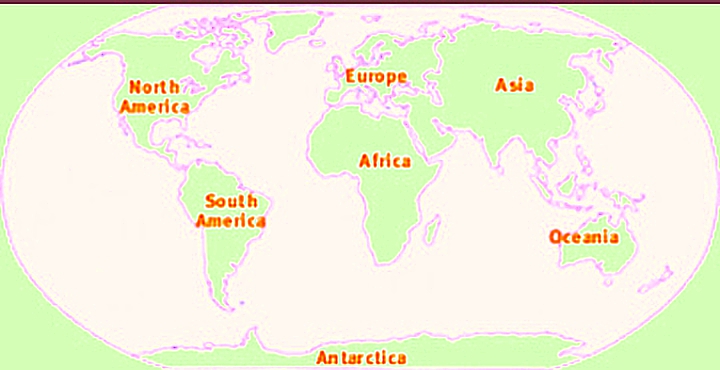
The world is a vast and diverse place, comprised of seven distinct continents. Each continent has its unique history, culture, and geography, making them fascinating places to explore. In this blog, we’ll take a closer look at the world’s continents and discover what makes each of them so special.
1: Asia:
Asia is the largest and most populous continent on the planet, covering an area of 44,579,000 square kilometers. It is home to some of the world’s oldest civilizations, including China, India, and Japan, and is known for its rich cultural heritage. Asia also boasts a diverse range of landscapes, from the snowy peaks of the Himalayas to the lush rainforests of Southeast Asia.
2: Africa:
Africa is the second-largest continent, covering 30.2 million square kilometers. It is known for its stunning wildlife, including elephants, lions, and giraffes, as well as its diverse cultures and languages. Africa is also home to the Sahara, the world’s largest hot desert, which covers a significant portion of the continent.
3: North America:
North America is the third-largest continent and comprises three countries: the United States, Canada, and Mexico. It is known for its diverse geography, including the Rocky Mountains, the Grand Canyon, and the Great Lakes. North America is also home to some of the world’s most significant cities, including New York, Los Angeles, and Toronto.
4: South America:
South America is the fourth-largest continent and is home to 12 countries, including Brazil, Argentina, and Peru. It is known for its diverse ecosystems, including the Amazon rainforest and the Andes Mountains. South America is also renowned for its rich cultural heritage, including the ancient ruins of Machu Picchu in Peru.
5: Antarctica:
Antarctica is the fifth-largest continent and is the world’s southernmost landmass. It is the coldest and driest continent on the planet and is home to a diverse range of wildlife, including penguins, seals, and whales. Antarctica is also the only continent without a native human population.
6: Europe:
Europe is the sixth-largest continent and is home to some of the world’s most significant historical and cultural landmarks, including the Eiffel Tower, the Colosseum, and the Acropolis. It is also known for its diverse geography, including the Swiss Alps and the Scandinavian fjords.
7: Australia:
Australia is the smallest and newest continent, comprising the Australian mainland, Tasmania, and numerous smaller islands. It is known for its unique wildlife, including kangaroos, koalas, and wallabies, as well as its stunning natural beauty, including the Great Barrier Reef and Uluru.
In conclusion, the world’s seven continents each offer something unique and exciting to explore, from the cultural heritage of Asia and Europe to the natural wonders of Africa and South America. Whether you’re a seasoned traveler or a curious adventurer, there’s always something new to discover on our planet’s continents.

 The World's Life