
Dear friend
Here is a list of some people I have made for you who are not only doing excellent and satisfactory work but their work fees are also very reasonable.
Hope you enjoy.
Author Archives: MasoOM SAaQi
Hire A Logo Designer For You
Dear friend
Here is a list of some people I have made for you who are not only doing excellent and satisfactory work but their work fees are also very reasonable.
Hope you enjoy
Hire A Graphic Designer for you
Dear friend
Here is a list of some people I have made for you who are not only doing excellent and satisfactory work but their work fees are also very reasonable.
Hope you enjoy.
Hire A Person For Videos Editing.
Dear friend
Here is a list of some people I have made for you who are not only doing excellent and satisfactory work but their work fees are also very reasonable.
Hope you enjoy
1.
https://go.fiverr.com/visit/?bta=687666&brand=fiverrcpa&landingPage=Check%20out%20this%20great%20Gig%20I’ve%20got%20from%20%23fiverr%20https%3A%2F%2Fwww.fiverr.com%2Fshare%2F70gZEe
3.
https://go.fiverr.com/visit/?bta=687666&brand=fiverrcpa&landingPage=https%3A%2F%2Fwww.fiverr.com%2Fshare%2Fj2W6Dm
4.
https://go.fiverr.com/visit/?bta=687666&brand=fiverrcpa&landingPage=https%3A%2F%2Fwww.fiverr.com%2Fshare%2FP6rZ9g
Africa Continent|2nd Largest Continent
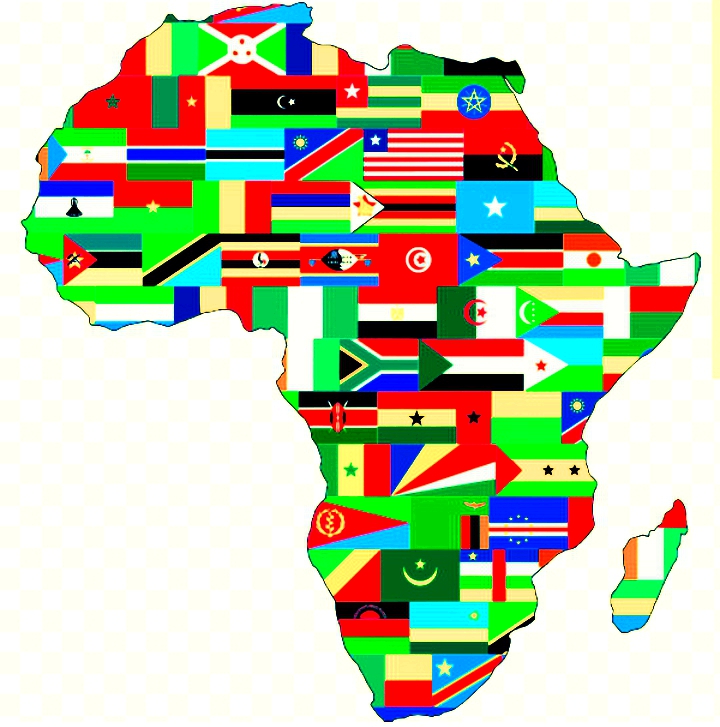
Africa is the alternate- largest mainland in the world, gauging over 30 million square kilometers and comprising of 54 countries. It’s a different mainland, with a rich culture & history. From the ancient societies of Egypt and Ethiopia to the ultramodern metropolises of Lagos and Johannesburg, Africa is a mainland that’s both complex and beautiful. Geographically, Africa is home to some of the world’s most different ecosystems, including downs, comeuppance, rainforests, and mountains. It’s also home to the world’s largest swash, the Nile, and the world’s alternate- largest brackish lake, Lake Victoria. The mainland’s natural coffers are abundant, with Africa being one of the world’s largest directors of gold, diamonds, oil painting, and other minerals. Despite its natural wealth, Africa has been agonized by political insecurity, poverty, and complaint. numerous African countries have plodded with loose governments, civil wars, and weak husbandry. still, in recent times, there has been progress in addressing these issues, with numerous African countries passing profitable growth and bettered governance. One of Africa’s topmost strengths is its people. Africans are known for their hospitality, adaptability, and creativity. The mainland is home to a rich array of societies, languages, and traditions. From the vibrant music and cotillion of West Africa to the intricate beadwork of the Maasai in East Africa, there’s a uproariousness and diversity to African culture that’s unmatched. In recent times, Africa has also come a mecca for invention and technology. With a growing middle class and a immature population, there’s a hunger for progress and development. Start- ups are arising across the mainland, with African entrepreneurs creating results to original challenges and global problems. From mobile banking to renewable energy, Africa is at the van of invention in numerous sectors. Tourism is also an important assiduity in Africa. The mainland’s wildlife, natural beauty, and artistic heritage attract millions of callers each time. Safaris in Tanzania and Kenya, goon touring in Uganda and Rwanda, and exploring the ancient conglomerations in Egypt are just a many of the numerous gests that Africa has to offer. In conclusion, Africa is a mainland of contrasts, with a rich history, different societies, and abundant natural coffers. Despite its challenges, it’s a mainland that’s full of pledge and eventuality. As the world becomes further connected, Africa’s part in the global frugality and its influence on world culture will only continue to grow.
Asia continent Detail
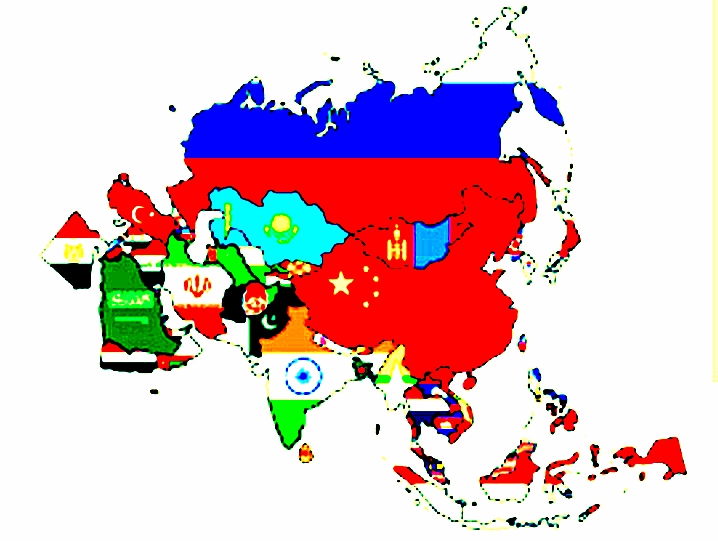
Asia is the largest landmass in the world, comprising roughly 30 of the Earth’s land area and home to over4.6 billion people. With analogous vast home, it’s no surprise that the landmass is divided into several different regions, each with its unique culture, history, and terrain. In this blog, we’ll take a near look at the different corridor of the Asia landmass. Central Asia Central Asia is a region that includes the five former Soviet republic of Kazakhstan, Kyrgyzstan, Tajikistan, Turkmenistan, and Uzbekistan. This region is known for its stunning mountain ranges, including the Tien Shan and Pamir Mountains, as well as its rich cultural heritage, which is told by both fugitive and Islamic traditions. East Asia East Asia is a region that includes China, Japan, South Korea, Taiwan, and North Korea. This region is known for its advanced husbandry, slice- edge technology, and rich cultural heritage, including Confucianism, Taoism, and Buddhism. East Asia is also home to some of the world’s most iconic mileposts, including the Great Wall of China, Mount Fuji, and the Seoul Tower. Southeast Asia Southeast Asia is a region that includes Cambodia, Indonesia, Laos, Malaysia, Myanmar, the Philippines, Singapore, Thailand, Timor- Leste, and Vietnam. This region is known for its stunning natural beauty, including tropical rainforests, coral reefs, and pristine beaches. Southeast Asia is also known for its different societies, including Buddhist, Muslim, and Hindu traditions, as well as its social history, which has left an indelible mark on the region’s architecture, cuisine, and culture. South Asia South Asia is a region that includes Afghanistan, Bangladesh, Bhutan, India, Maldives, Nepal, Pakistan, and Sri Lanka. This region is known for its rich history and culture, including Hinduism, Buddhism, and Islam, as well as its stunning natural topographies, including the Himalayas, the Ganges River, and the beaches of Sri Lanka. South Asia is also home to some of the world’s most iconic mileposts, including the Taj Mahal and the Golden Temple. West Asia West Asia, also known as the Middle East, is a region that includes the countries of Bahrain, Cyprus, Egypt, Iran, Iraq, Israel, Jordan, Kuwait, Lebanon, Oman, Palestine, Qatar, Saudi Arabia, Turkey, Syria, Yemen and United Arab Emirates. This region is known for its rich cultural heritage, including Judaism, Christianity, and Islam, as well as its stunning architecture, including the Great Conglomerations of Egypt, the Dome of the Rock, and the Hagia Sophia. In conclusion, the Asia landmass is incredibly different, with each region offering its unique blend of culture, history, and terrain. Whether you are interested in exploring the stunning natural beauty of Southeast Asia, the advanced technology of East Asia, or the rich cultural heritage of South and West Asia.
Continents Of The World
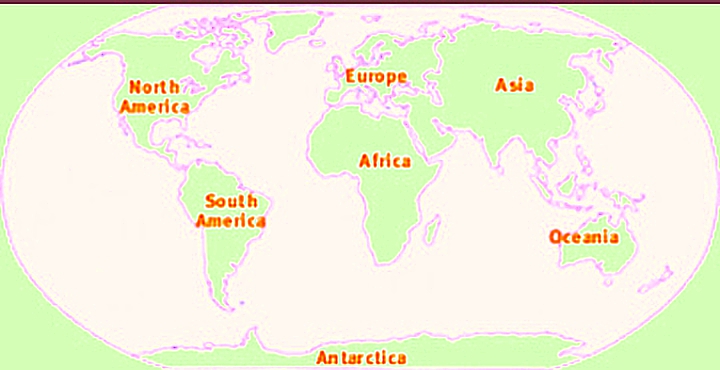
The world is a vast and diverse place, comprised of seven distinct continents. Each continent has its unique history, culture, and geography, making them fascinating places to explore. In this blog, we’ll take a closer look at the world’s continents and discover what makes each of them so special.
1: Asia:
Asia is the largest and most populous continent on the planet, covering an area of 44,579,000 square kilometers. It is home to some of the world’s oldest civilizations, including China, India, and Japan, and is known for its rich cultural heritage. Asia also boasts a diverse range of landscapes, from the snowy peaks of the Himalayas to the lush rainforests of Southeast Asia.
2: Africa:
Africa is the second-largest continent, covering 30.2 million square kilometers. It is known for its stunning wildlife, including elephants, lions, and giraffes, as well as its diverse cultures and languages. Africa is also home to the Sahara, the world’s largest hot desert, which covers a significant portion of the continent.
3: North America:
North America is the third-largest continent and comprises three countries: the United States, Canada, and Mexico. It is known for its diverse geography, including the Rocky Mountains, the Grand Canyon, and the Great Lakes. North America is also home to some of the world’s most significant cities, including New York, Los Angeles, and Toronto.
4: South America:
South America is the fourth-largest continent and is home to 12 countries, including Brazil, Argentina, and Peru. It is known for its diverse ecosystems, including the Amazon rainforest and the Andes Mountains. South America is also renowned for its rich cultural heritage, including the ancient ruins of Machu Picchu in Peru.
5: Antarctica:
Antarctica is the fifth-largest continent and is the world’s southernmost landmass. It is the coldest and driest continent on the planet and is home to a diverse range of wildlife, including penguins, seals, and whales. Antarctica is also the only continent without a native human population.
6: Europe:
Europe is the sixth-largest continent and is home to some of the world’s most significant historical and cultural landmarks, including the Eiffel Tower, the Colosseum, and the Acropolis. It is also known for its diverse geography, including the Swiss Alps and the Scandinavian fjords.
7: Australia:
Australia is the smallest and newest continent, comprising the Australian mainland, Tasmania, and numerous smaller islands. It is known for its unique wildlife, including kangaroos, koalas, and wallabies, as well as its stunning natural beauty, including the Great Barrier Reef and Uluru.
In conclusion, the world’s seven continents each offer something unique and exciting to explore, from the cultural heritage of Asia and Europe to the natural wonders of Africa and South America. Whether you’re a seasoned traveler or a curious adventurer, there’s always something new to discover on our planet’s continents.
World LifeStyle
Life on Earth is a beautiful and diverse thing. From the smallest microbes to the largest mammals, there is an incredible array of life forms that call our planet home. And while the exact number of species that exist is difficult to determine, scientists estimate that there are anywhere from 5 to 30 million different types of living organisms on Earth.
The variety of life on our planet is truly awe-inspiring. Each species has evolved over millions of years to occupy its own unique niche in the ecosystem, and together they form a complex web of interactions that sustains all life. Plants convert sunlight into energy, animals consume plants and other animals for food, and decomposers break down dead organisms to return nutrients to the soil.
At the same time, human activities are threatening this delicate balance of life. Climate change, habitat destruction, pollution, and overexploitation of resources are causing extinction rates to soar, with many scientists now calling it the sixth mass extinction in Earth’s history. According to a recent report from the United Nations, up to one million species could be at risk of extinction in the coming decades.
The loss of biodiversity has far-reaching consequences for our planet. It can lead to changes in the structure and function of ecosystems, reduce the ability of ecosystems to provide goods and services that are essential for human well-being, and even affect human health. For example, the loss of pollinators such as bees could lead to a decrease in crop yields, which would have implications for food security.
Despite the challenges, there is hope for the future of life on Earth. Conservation efforts, such as protecting habitats and reducing greenhouse gas emissions, can help to slow the rate of biodiversity loss. Advances in technology, such as genetic engineering and synthetic biology, may also offer new ways to restore ecosystems and prevent extinctions.
Ultimately, the fate of life on Earth is in our hands. As the dominant species on the planet, we have a responsibility to protect and preserve the incredible diversity of life that surrounds us. By taking action to reduce our impact on the environment and promote sustainable practices, we can ensure that future generations inherit a world teeming with life.
 The World's Life